Shiretoko, as we saw it
Photographed in late August
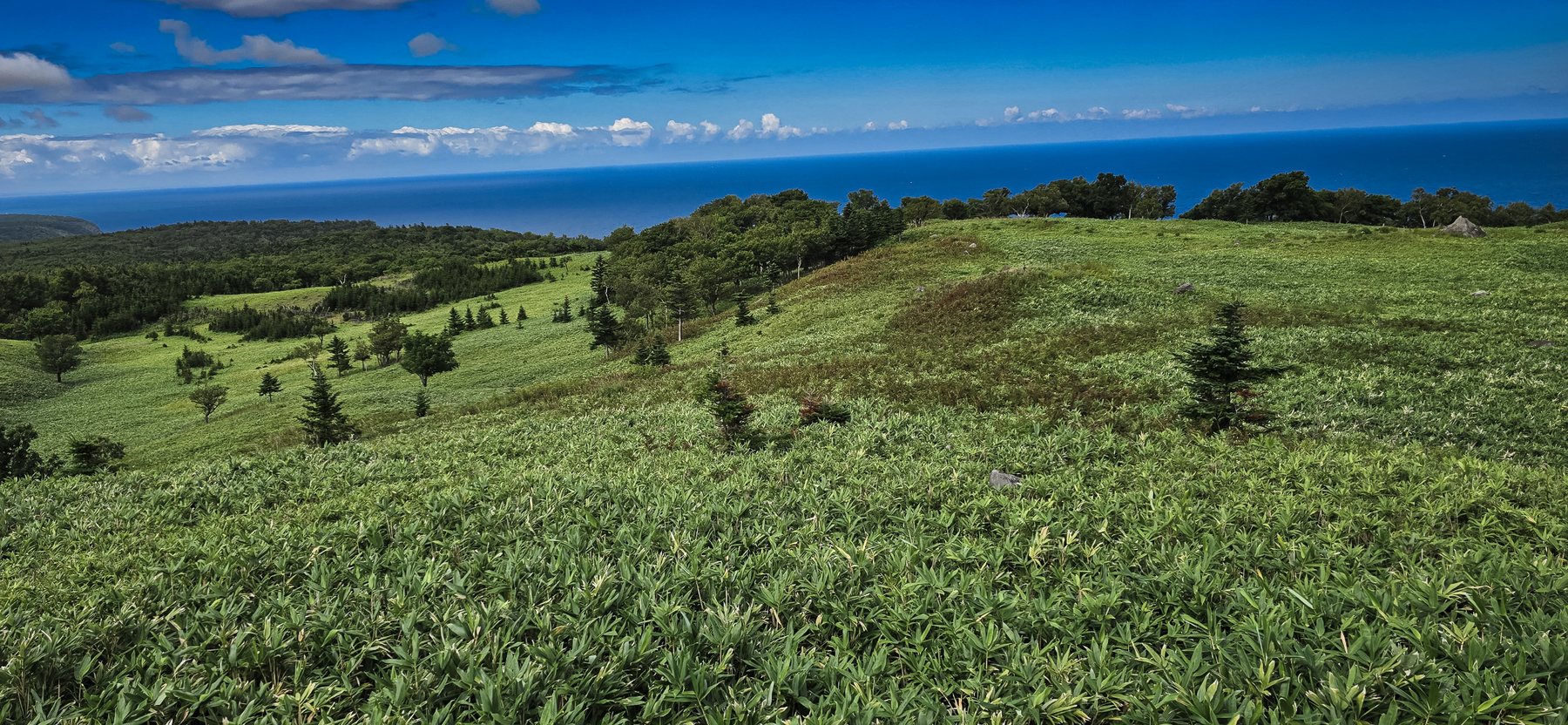
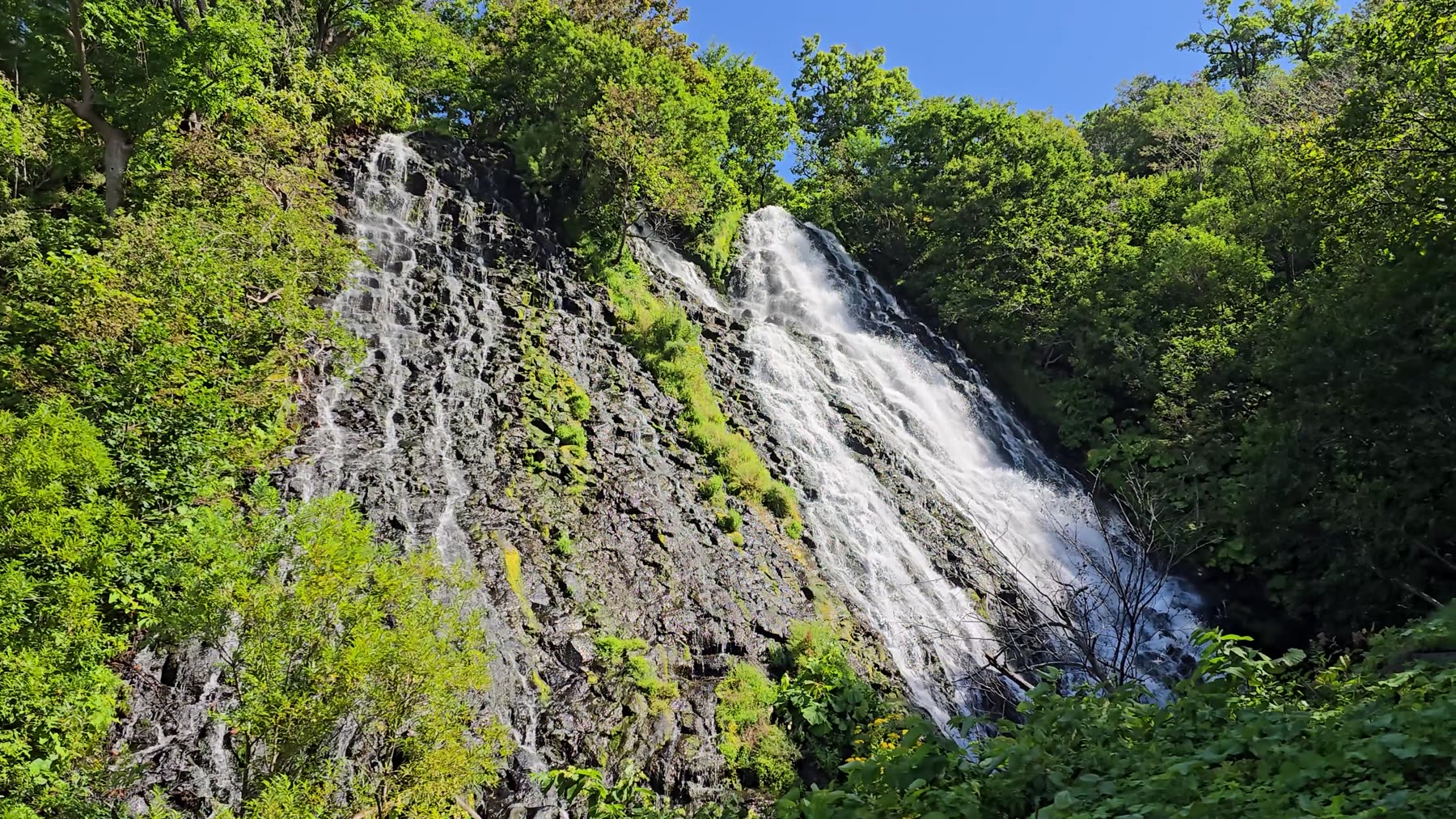
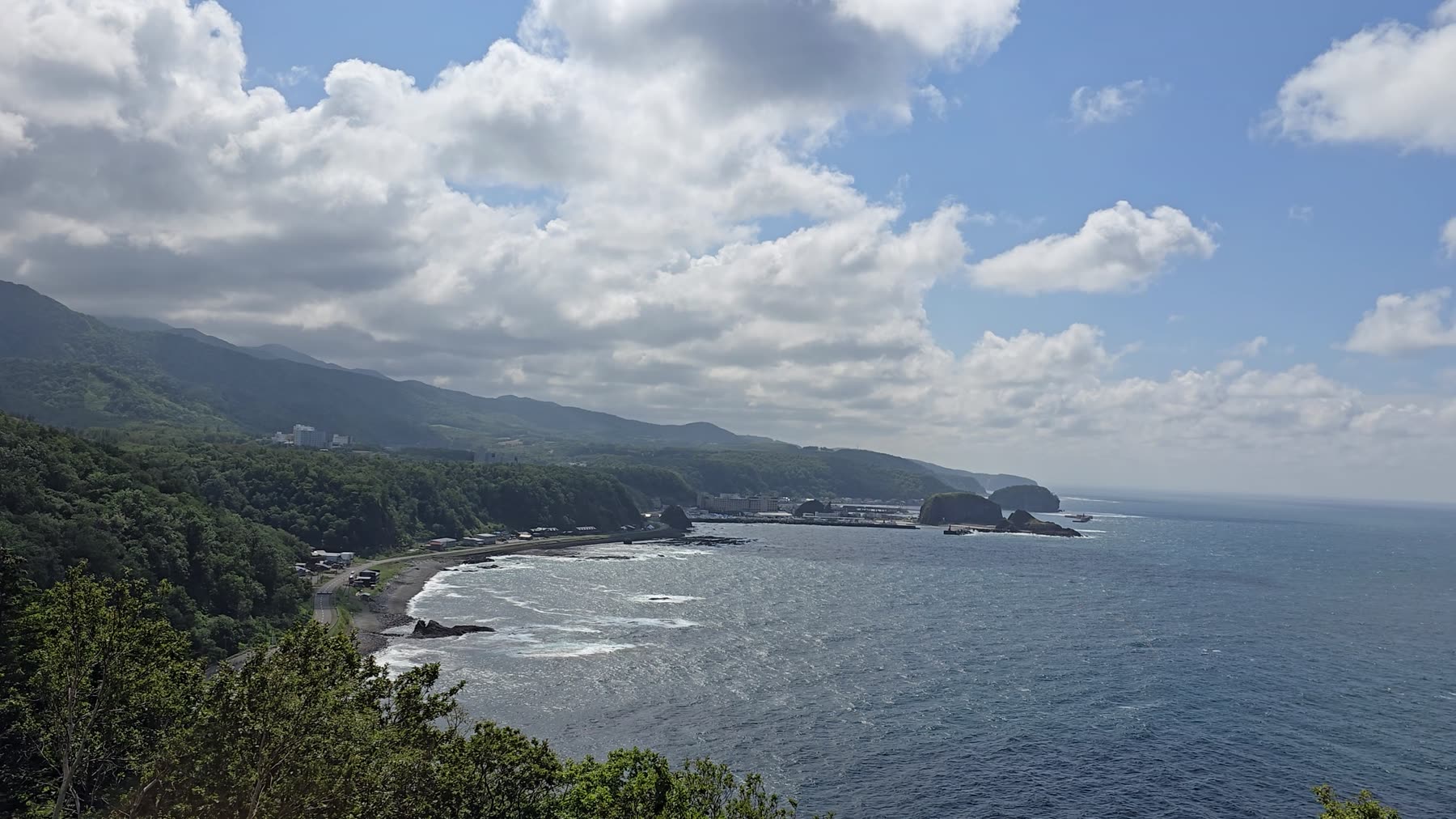
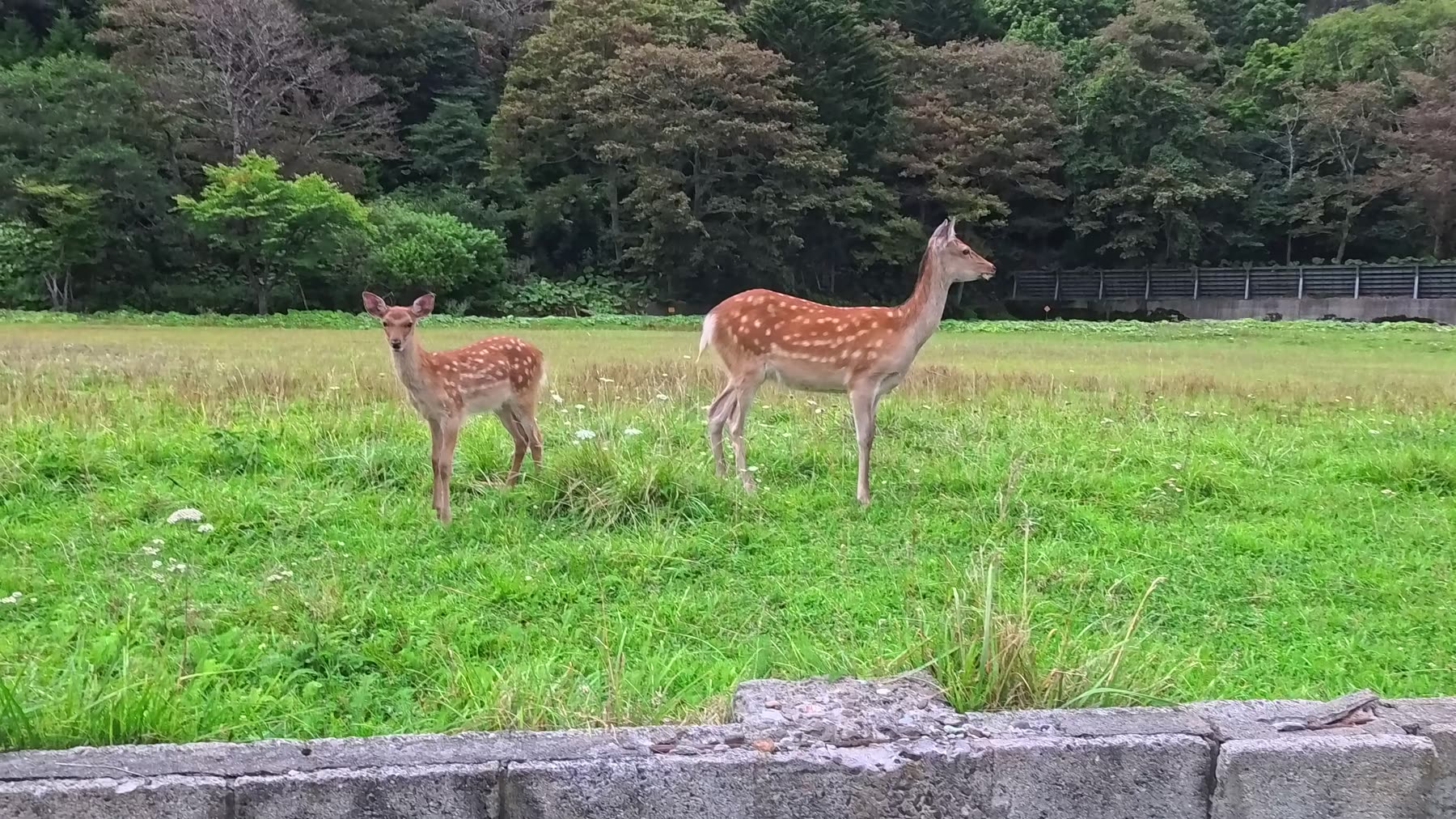
A UNESCO World Natural Heritage site. Brown bears, drift ice, and a peninsula so wild that most of it has no roads.
Shiretoko is a narrow peninsula pushing out into the Sea of Okhotsk from Hokkaido's north-eastern corner. It was inscribed on the UNESCO World Heritage List in 2005 as one of the clearest examples anywhere of how sea and land ecosystems feed each other.
Each winter drift ice arrives from the north. Plankton bloom beneath it, salmon follow, and bears, eagles and owls follow the salmon up the rivers. We walked and filmed here in late August; every photo and video on this page is our own.
Three short films from the peninsula: eastern Hokkaido in 28 seconds, the deer of Rausu, and Oshinkoshin Falls.
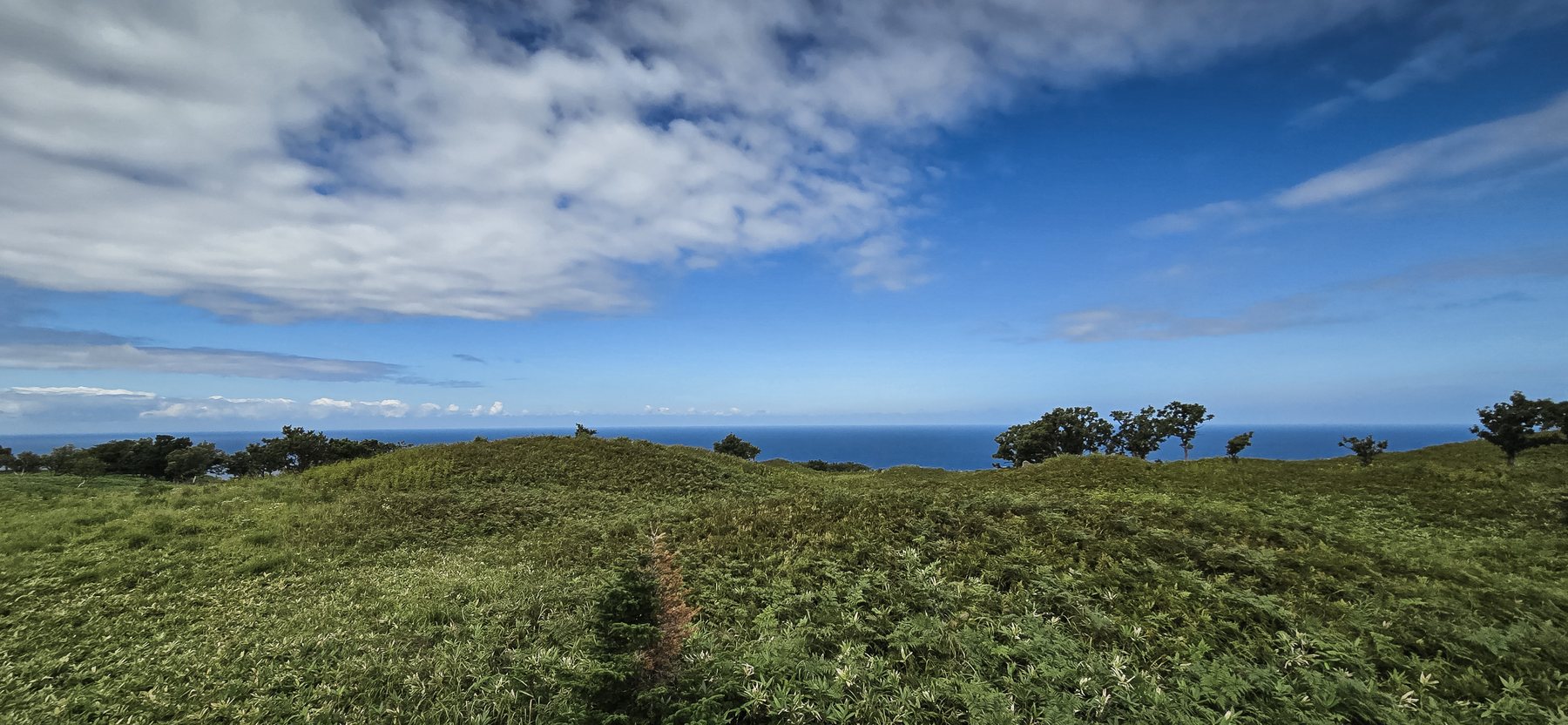
About 800 metres of wooden walkway with electric fences, so you can cross brown-bear country without a guide. The Sea of Okhotsk opens up at the end.
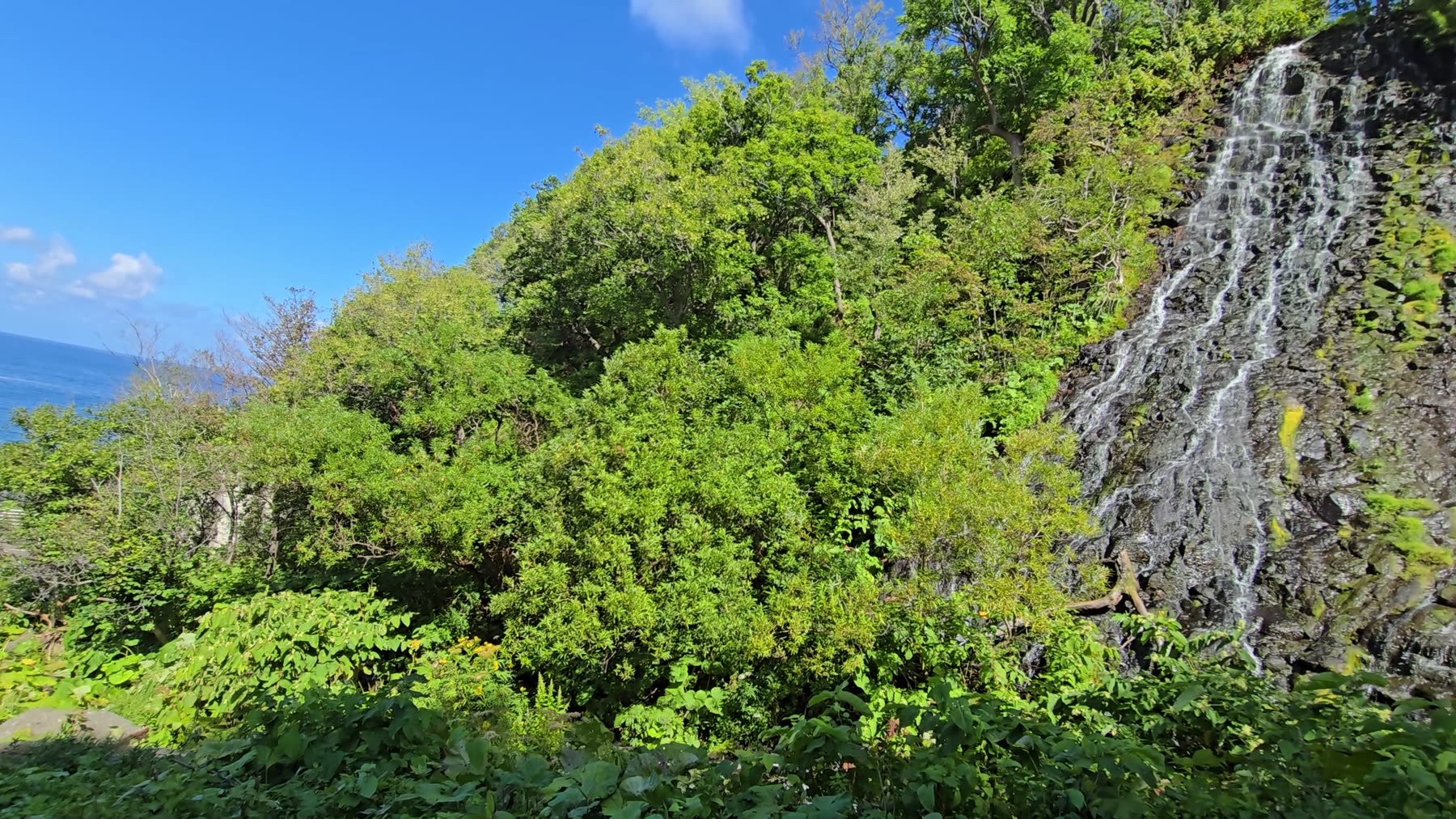
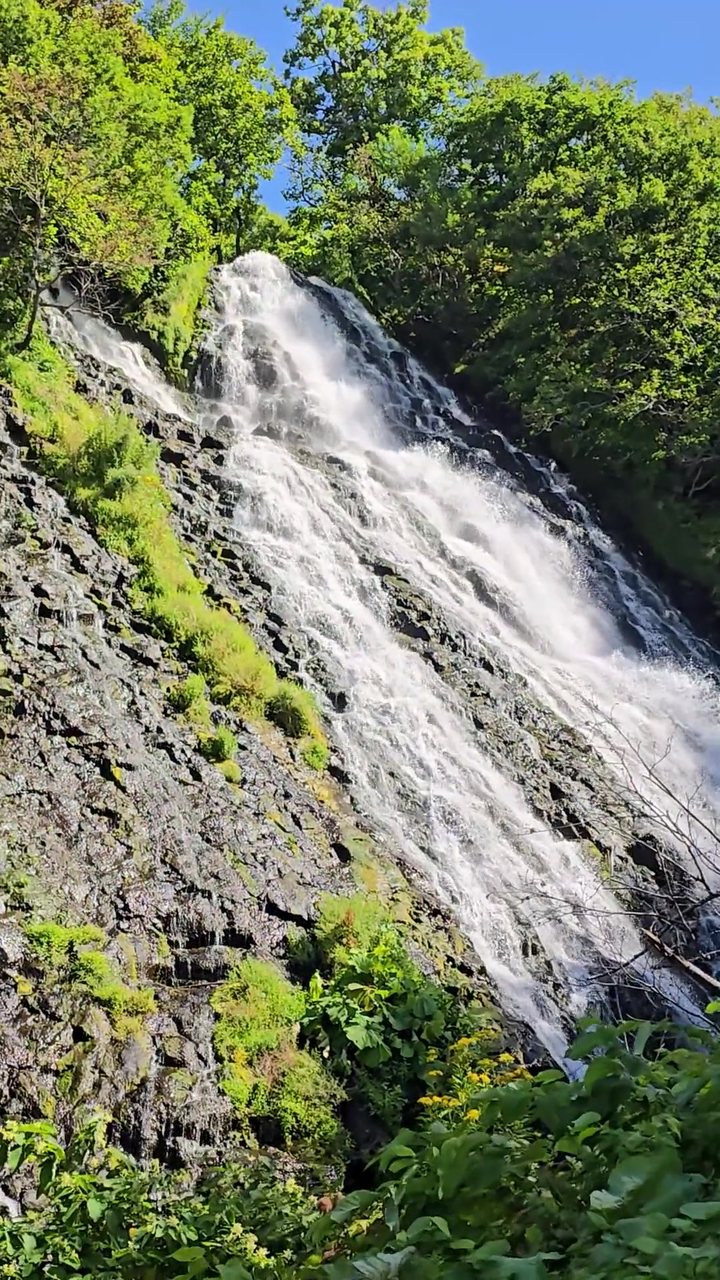
Right beside Route 334, a little before Utoro. Park, climb the steps, and the spray reaches your face.
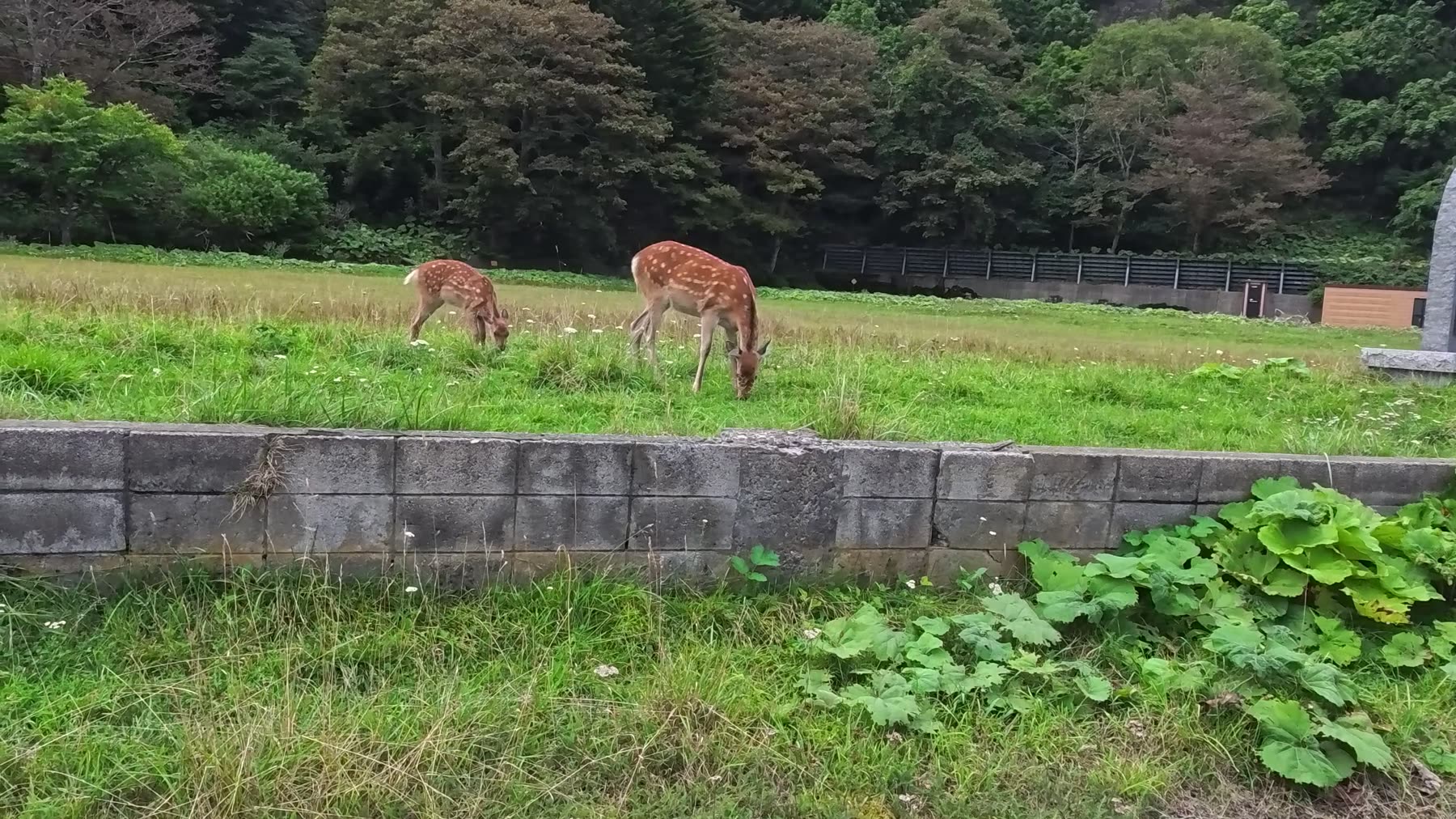
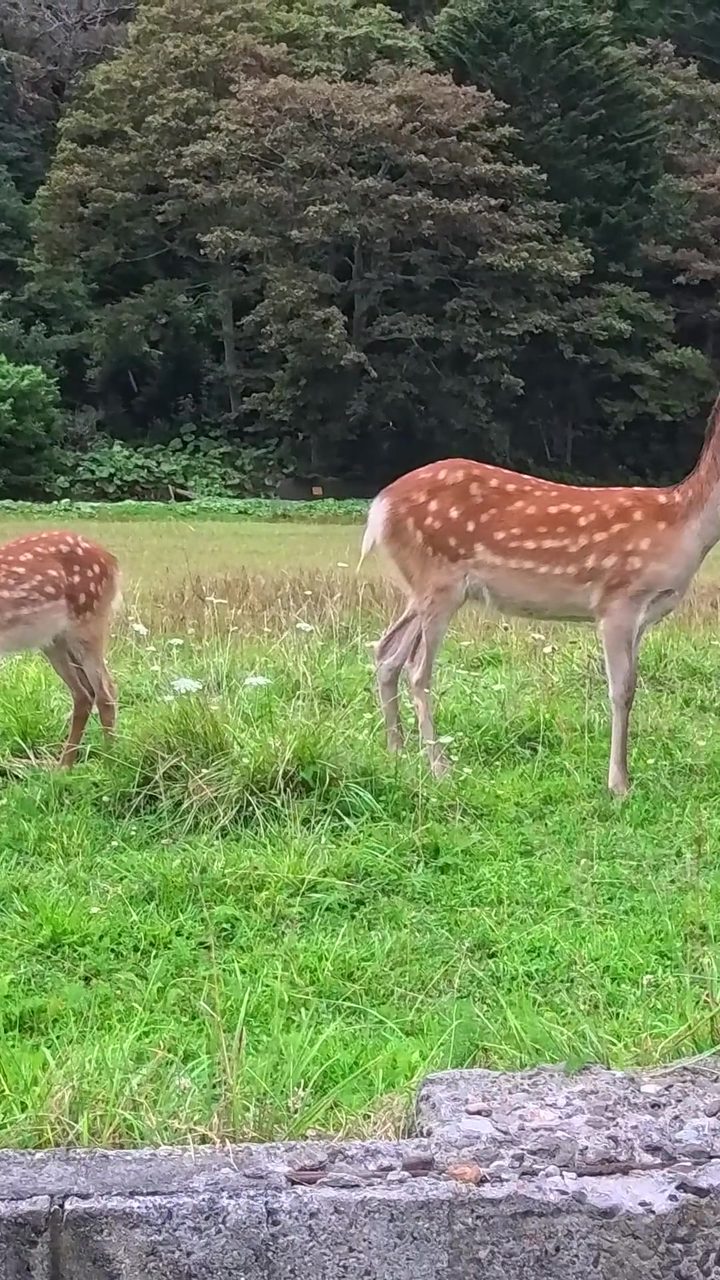
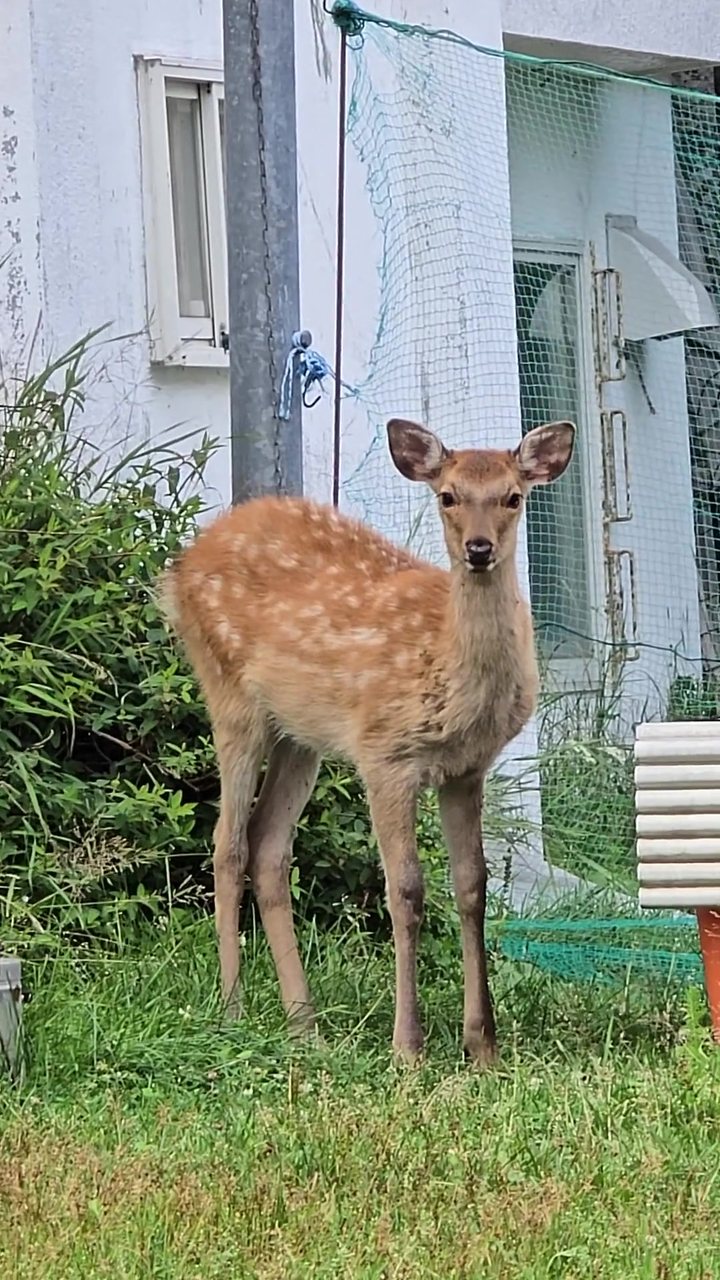
On the Rausu side of the peninsula, Ezo deer graze on the verges in summer. Slow down, stay in the car, and they carry on.
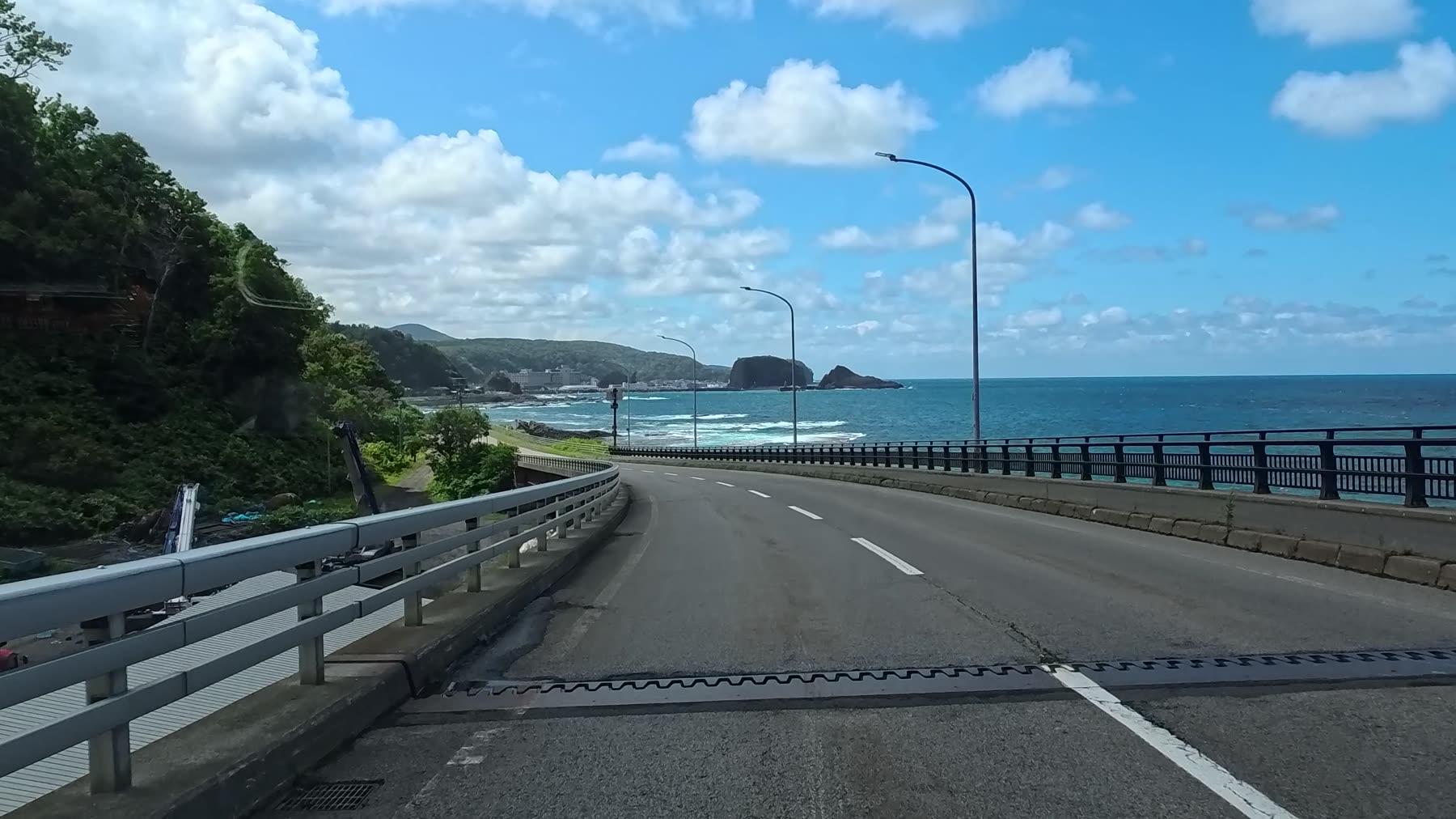
The small harbour town on the western side, and the base for the Five Lakes. The coast road in is a view in itself.
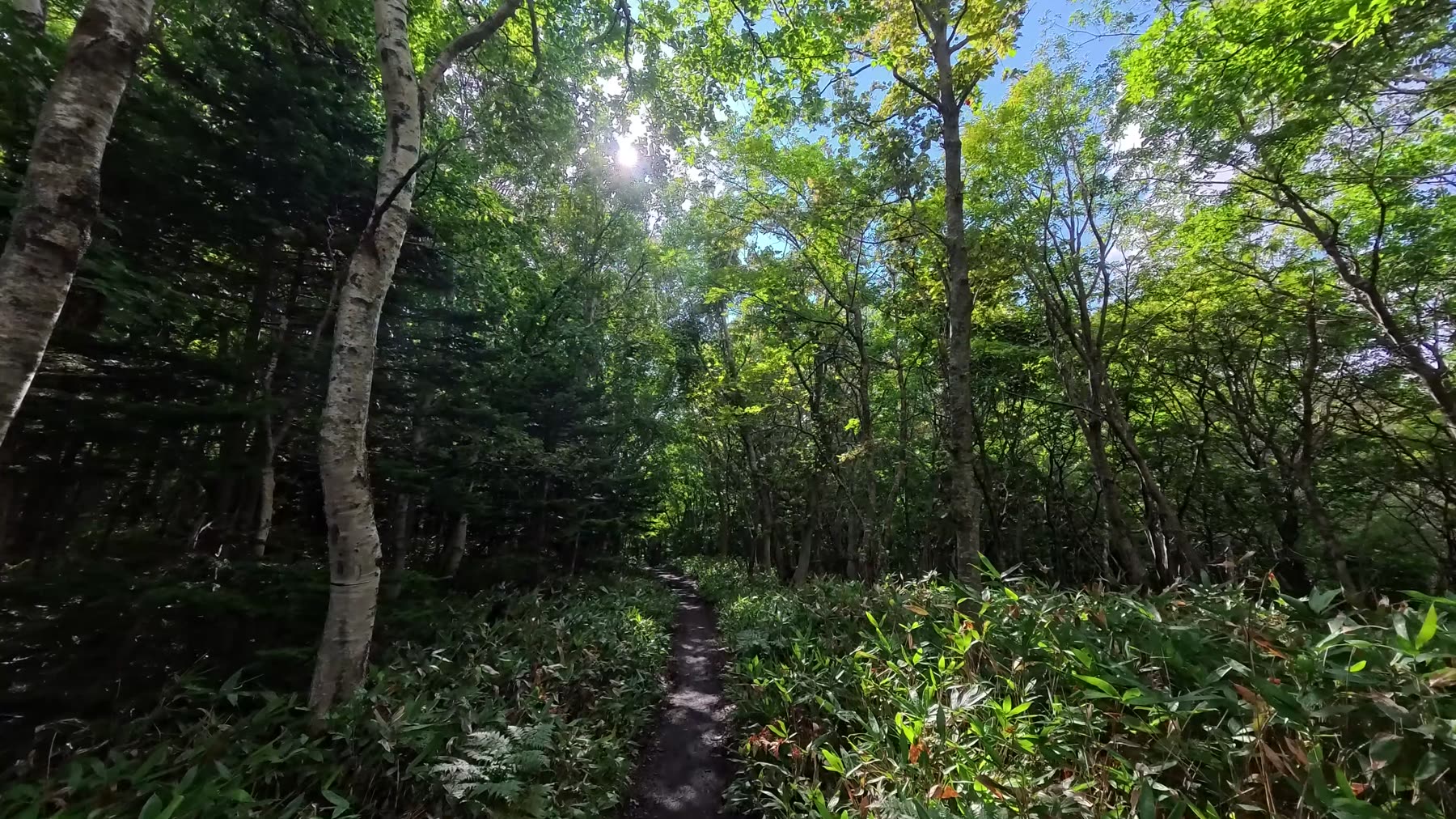
Short trails run through birch forest with dwarf bamboo underfoot. Quiet, shaded, and often empty.
From about late January to March, sea ice from the north reaches this coast. It is the reason the peninsula is so rich in life.
Shiretoko is far from Sapporo. Most visitors fly to Memanbetsu or drive from Kushiro or Abashiri, then continue to Utoro by road. Allow at least two nights.
The elevated boardwalk at the Five Lakes is designed for exactly that and needs no guide. The ground-level trails have rules that change by season, including guided-only periods. Follow the local visitor centre's instructions.
Not yet. Multi-day journeys to eastern Hokkaido are in preparation. This page is our own record of places we know; write to us and we will tell you when journeys open.
Because of the link between sea and land. Shiretoko is among the southernmost places in the northern hemisphere where seasonal sea ice forms, and that ice drives an unusually rich food chain from plankton to salmon to bears.
Tell us what you dream of — a season, a landscape, a pace. We'll design around it and reply within 48 hours.
hello@yukizuru-hokkaido.com